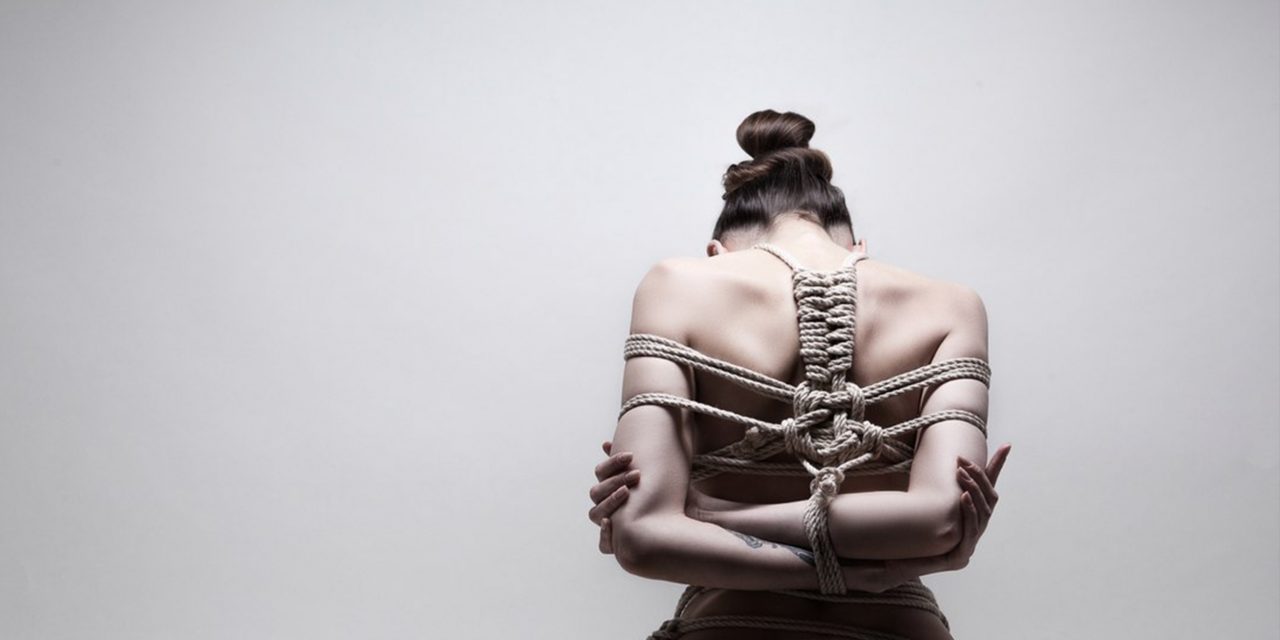
Что такое шибари
Искусство шибари берёт начало в японских боевых техниках связывания ходзё-дзюцу. Их целью было не только обездвижить пленника, но и подчеркнуть его социальный статус — для этого использовались разные методы обвязки. С окончанием войн техники связывания перекочевали в обычную жизнь: пленников заменили женщины, а сам процесс стал цениться за красоту обвязки.
Сейчас шибари — это прежде всего мастерство эстетического верёвочного бандажа, не лишённое медитативного свойства. И безусловно, оно имеет эротический подтекст: шибари может быть использовано для фиксации партнёра (чаще, но не обязательно женщины). Кроме того, отдельные элементы обвязки могут воздействовать на его эрогенные зоны.
Каким образом применять эту технику в личной жизни, каждый решает сам. Главное — помнить: превыше всего обоюдное желание и, особенно на первых порах, осторожность. Всё остальное во многом зависит только от вашей фантазии.
Как выбрать верёвки для шибари
Материалы
Верёвки бывают двух видов: натуральные и синтетические. Последние более износоустойчивы, но всё-таки являются не лучшим вариантом: они хуже держат узел и могут оставлять на коже ожоги.
С верёвками из натуральных материалов всё тоже не так просто. Хлопковые — самые мягкие, но именно это может стать проблемой для любителей острых ощущений. Льняные верёвки тоже мягкие, но иногда могут содержать в себе твёрдые включения, способные повредить кожу.
Классика жанра — джутовые верёвки. Они довольно мягкие, чтобы не нанести травм, но и в меру грубые, чтобы человек ощущал фиксацию.
Верёвки для шибари могут быть выполнены и из других натуральных материалов. Делайте выбор, основываясь на собственных ощущениях и ощущениях партнёра. И лучше покупайте обработанные верёвки в специализированных магазинах.
Размер, длина, количество
Чтобы не запутаться в многообразии размеров, для начала выберите верёвки средней толщины: 6–8 мм. Более тонкие варианты будут смотреться не так красиво и сильно врезаться в тело. С толстыми работать сложнее, да и применяются они чаще для распределения сильной нагрузки (например, при подвешивании, а это точно не первый шаг в шибари).
Что касается длины, то двух-трёхметровые верёвки удобны для связывания рук и ног. Верёвки длиной 8–12 метров применяются для обвязки груди и бёдер, а более длинные отрезы нужны для обвязки всего тела.
Количество верёвок зависит от длины (как правило, чем длиннее, тем меньше их нужно) и от количества узлов и плотности обвязки. Проще говоря, завязать один узел можно одной короткой верёвкой. Но если вы хотите создать сложный узор, потребуется две-три, а то и больше.
С каких элементов начать
Базовые элементы шибари — обвязка рук, ног, груди и фиксация всего тела. Лучше начинать с чего-то простого, используя руководства или собственную фантазию. В конце концов, шибари — это искусство, единственной правильной техники связывания не существует.
Связывание рук узлом «стремя»
Этот узел достаточно надёжный и при этом не затягивается самостоятельно, что снижает вероятность случайной травмы. Начинать лучше с него.
Сложите верёвку вдвое и соедините в узел, как показано на картинке. Просуньте запястья партнёра в отверстие, где находятся средний и безымянный пальцы, и отрегулируйте натяжение петли. Верёвка должна плотно прижимать ладони друг к другу, но не причинять боли.
Закрепите петлю несколькими простыми узлами. Они должны лежать ровно, без перехлёстов.
Аналогичным образом можно обвязать одно запястье или связать руки за спиной.
Связывание ног
Привяжите верёвку к лодыжке лежащего на спине партнёра узлом «стремя».
Попросите партнёра максимально согнуть ногу в колене, можно лёгким усилием ещё сдвинуть её на пару сантиметров. Верёвку оберните по внешней стороне бедра, затем по внутренней, обратно к лодыжке.
Теперь пропустите верёвку под уже лежащий виток за узлами, которые фиксируют привязанную лодыжку. Сделайте ещё один виток вокруг ноги, но уже в обратном направлении. Он должен аккуратно расположиться поверх первого витка с тем же натяжением.
Как и в предыдущем случае, пропустите верёвку под уже лежащий виток и снова измените направление движения. Следующий виток кладётся по направлению к середине бедра и с несколько меньшим натяжением. Верёвка снова делает оборот, доходит до начала витка, пропускается под него и ведётся в обратную сторону.
Сделайте новый виток над предыдущим, вплотную к нему и с тем же натяжением. В месте перегиба пропустите верёвку под предыдущий виток. Затем закрепите узлом и уведите вниз.
Теперь немого подтяните два нижних витка верёвки с внутренней стороны бедра, чтобы они плотнее охватывали ногу.
Конечный этап: пропустите верёвку между бедром и голенью, обхватите ею нижние витки и с небольшим натяжением выведите обратно. Закрепите верёвку узлом. Обвязка готова.
Подробные инструкции по выполнению других видов узлов и различных обвязок представлены на этом сайте. Также интересные видеоуроки можно найти на этом YouTube-канале.
Техника безопасности
Возможные проблемы
Повреждение нервов — одна из самых частых травм. Не менее опасно пережать сосуды. Поэтому, если у человека есть проблемы с нервами или сосудами (или предрасположенность к ним), стоит ещё раз подумать, прежде чем практиковать шибари.
Так или иначе, есть точки, с которыми нужно обращаться особенно бережно:
- Лучевой нерв на внешней стороне руки между трицепсом и дельтовидной мышцей. Лучше класть верёвки ниже этой области.
- Плечевое сплетение в подмышечной впадине. Эту область лучше вообще не использовать.
- Шея. Эта зона тоже под запретом: можно банально спровоцировать удушье.
- Запястья. Нужно связывать без лишнего давления, чтобы не повредить нервы.
- Бедренная артерия примерно на 10 см ниже паховой области. Её не стоит слишком пережимать верёвками и узлами.
Диабет, астма, проблемы с суставами или давлением — всё это тоже может быть противопоказанием к шибари. Ну или, по крайней мере, об этих заболеваниях нужно сообщить заранее.
Коммуникация
Коммуникация — важное условие любого действа, подразумевающего ограничение движения. Во-первых, партнёры должны заранее обговорить, чего они хотят, и следовать этим договорённостям. Доверие — это основа любых подобных практик.
Во-вторых, в процессе связывания сабмиссив (тот, кого связывают) должен давать обратную связь: какая поза и степень фиксации допустима, не возникает ли боль, сколько её можно терпеть.
О боли нужно сообщать сразу, а не ждать, пока она станет невыносимой.
Кроме того, связанного человека нельзя оставлять в одиночестве. После сеанса шибари нужно побыть рядом с партнёром, поддержать его, если это необходимо. После связывания у людей могут возникнуть самые разные психологические реакции.
Необходимые вещи
- Ножницы, чтобы в экстренном случае быстро разрезать верёвку.
- Аптечка, если потребуется медицинская помощь.
- Халат или одеяло, чтобы накинуть его на партнёра после сеанса.
- Небольшой запас воды и еды: процесс связывания может затянуться, а после него неплохо подкрепиться.
Занимайтесь шибари в хорошем состоянии души и тела. Заранее удовлетворите все базовые потребности. И не употребляйте алкоголь или наркотики (до, во время, а лучше и после).
В остальном старайтесь полагаться на своё благоразумие, больше тренироваться и просто получать удовольствие.