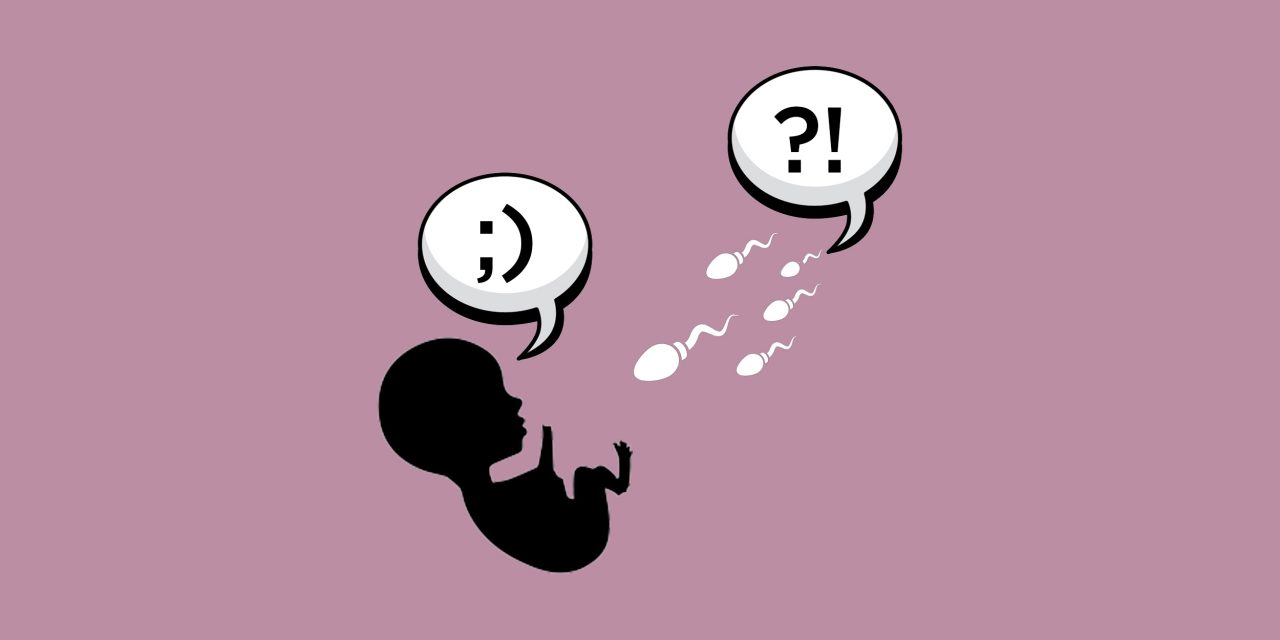
Миф 1. Секс во время беременности повредит ребёнку
Это очень расплывчатая формулировка, но многие будущие родители боятся, что каким-то образом секс помешает плоду. Сложно представить, как именно: всё-таки половой член не добирается до тех органов, где находится эмбрион. Будущий ребёнок защищён плодными водами, оболочкой, маткой и шейкой матки. Ему же нужно продержаться в чужом теле девять месяцев, и такой естественный процесс, как секс, ему повредить не может.
И не надо думать, что ребёнок что-то поймёт или заметит. Когда беременность протекает спокойно, а женщина расслаблена и довольна, то ребёнку, конечно, легче развиваться. Другим способом родительский секс на него не повлияет.
Миф 2. Нельзя заниматься сексом в первом и последнем триместре беременности
Если беременность протекает нормально, без осложнений, то никаких ограничений на секс нет.
Иногда приходится отказываться от традиционного секса, но это связано не со сроком беременности, а с состоянием женщины. Противопоказания такие:
- Кровотечения при беременности.
- Предлежание плаценты.
- Отслойка плаценты.
- Наличие гематомы.
- Истмико-цервикальная недостаточность.
Определить большую часть этих противопоказаний самостоятельно никак не получится, нужно наблюдаться у врача, который и скажет, продолжать ли сексуальную жизнь. А если врач ничего не говорит, не стесняйтесь спрашивать.
Миф 3. Секс вызывает преждевременные роды
Никакой связи между сексом и датой родов учёные не нашли Effect of vaginal intercourse on spontaneous labor at term: a randomized controlled trial . Результаты исследований показывают, что совершенно не важно, сколько беременная женщина занимается любовью. Роды приходят тогда, когда к этому готовы мать и ребёнок, а не когда пара решила заняться сексом Coitus to expedite the onset of labour: a randomised trial .
Женский оргазм не вызывает схватки. Матка — это мышечный орган, который во время оргазма под действием гормонов чуть сильнее сокращается, длится это несколько секунд. Такое короткое воздействие несопоставимо с родовыми схватками, поэтому смело можете получать удовольствие.
На последних неделях беременности не рекомендуют бурный секс, но в это время не рекомендуют перенапрягаться в принципе. Так что медленным сексом запросто можно заниматься вплоть до самых родов. Это не влияет ни на что, кроме хороших отношений.
Миф 4. Секс во время беременности полезен для родов
Говорят, что в сперме содержатся простагландины, которые помогают подготовить шейку матки к родам. Поэтому за несколько недель до предполагаемой даты нужно усердствовать в постели.
Простагландины действительно содержатся во многих тканях организма (и в сперме в том числе), а шейка матки перед родами укорачивается. Но это два факта, никак не связанных между собой Which Factors Contribute to False-Positive, False-Negative, and Invalid Results in Fetal Fibronectin Testing in Women with Symptoms of Preterm Labor? . Поэтому занимайтесь любовью, а не терапией.
Миф 5. Будет больно
Это не совсем миф. Тело женщины сильно меняется во время беременности, и дело не только в размере живота.
Усиливается кровообращение в малом тазу, органы несут повышенную нагрузку, изменяется гормональный баланс, часто проявляется молочница. Эти факторы иногда приводят к тому, что во время секса появляется боль или пропадают приятные ощущения Evaluation of sexual functions of the pregnant women .
Ищите новые позы, используйте смазку и не забывайте о предварительных ласках, чтобы расслабиться и получить удовольствие.
Миф 6. Во время беременности всегда нужен презерватив
Забеременеть повторно не получится, поэтому как средство контрацепции презерватив точно не нужен.
Другое дело, если женщина находит нового мужчину или у постоянного партнёра обнаружены инфекции. В этих случаях презерватив нужен всегда, не только во время беременности.
Миф 7. Во время беременности секса вообще не будет
Если нет противопоказаний, то и ограничивать себя в сексе нет никакого смысла. Но только если есть желание заниматься любовью. У многих женщин в период беременности снижается либидо, причём так сильно, что секса не хочется вовсе. Это последствия гормональных скачков. Заставлять себя — не лучший выход, особенно если к этому добавить плохое самочувствие и скачки настроения.
А вот если новое состояние привело к тому, что секса хочется больше, то пробуйте и не переживайте.