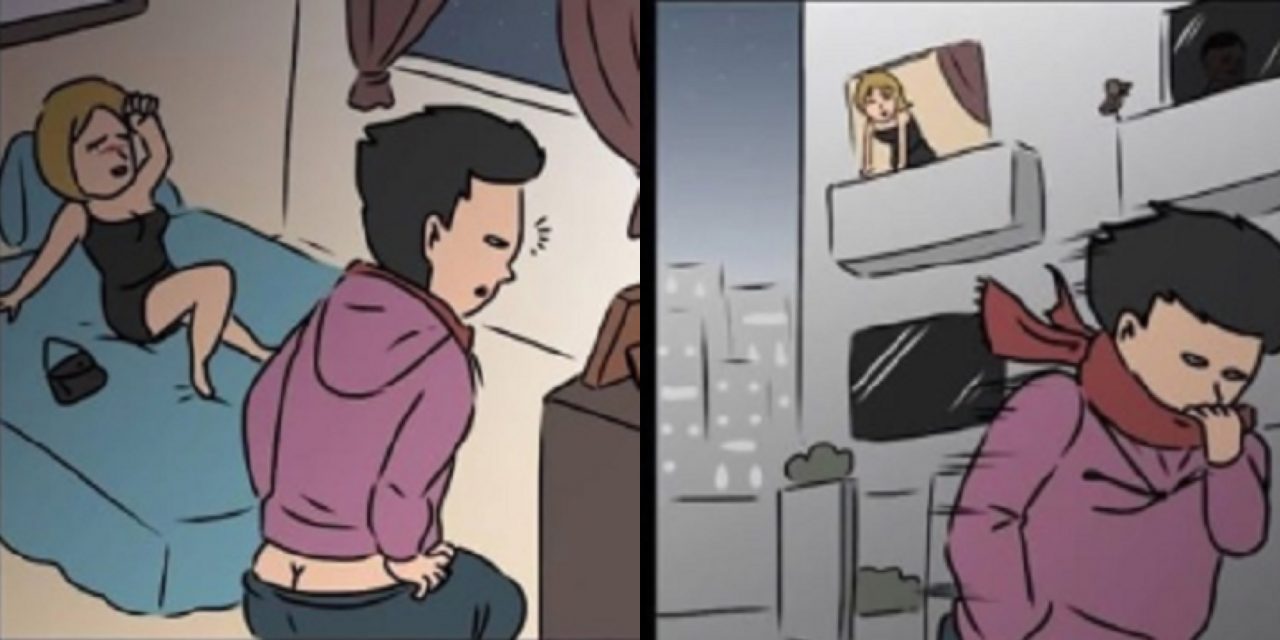
Секс в нашем обществе играет огромную роль в самоутверждении. Недавнее исследование Has Virginity Lost Its Virtue? Relationship Stigma Associated With Being a Sexually Inexperienced Adult. показало, что и девственники не хотят вступать в отношения с другими девственниками.
При этом нами же установленная «норма» в количестве секса создаёт замкнутый круг. Много женщин — «крутой мачо» и в то же время «бабник», мало женщин — «неудачник». Много мужчин — девушка «с пониженной социальной ответственностью», которую «никто не возьмёт замуж». Девственница — «скучная в постели», «будет изменять».
В итоге все оказываются в хвосте гонки за признание через секс. Так что для начала предлагаем запомнить одно: у каждого своя норма по количеству секса, и если это один раз в полгода и вам так комфортно, значит, это нормально. Даже полное отсутствие секса, если вас это не беспокоит, тоже норма.
Но иногда либидо резко снижается по сравнению с обычным состоянием. И это далеко не редкость.
По данным исследований, 30–40% людей во всём мире испытывают недостаток интереса к сексу в течение по крайней мере нескольких месяцев в год.
Причины этого явления сложные, потому что влияет на либидо не только эмоциональное состояние, но и приём лекарств, проблемы со здоровьем (о которых вы можете не знать), стресс, физическая усталость, фаза цикла и так далее.
Постараемся разобрать самые популярные из них и предложим вариант решения проблемы.
Приём лекарств
Эректильная дисфункция и снижение либидо — побочные эффекты огромного количества лекарств. Привести к такому результату могут антидепрессанты (с этим сталкиваются 30–80% Psychopharmacology for the Clinician. людей, это одна из главных причин отказа от лечения), опиоидные болеутоляющие средства, оральные контрацептивы, антигистаминные препараты, средства против тревожности, лекарственные препараты от облысения, противозачаточные средства и многие другие.
Если вы принимаете какое-то из этих лекарств и чувствуете меньше сексуального влечения, чем обычно, — сходите к врачу, опишите проблему и попросите его подыскать вам альтернативное средство.
Вопреки распространённому мнению, средства вроде виагры не помогут вам в случае снижения либидо и эректильной дисфункции, так как проблема в большинстве случаев не решается притоком крови к гениталиям. А возможные побочные эффекты от виагры ничуть не лучше:
- головная боль;
- расстройство желудка;
- помутнение зрения;
- чувствительность глаз к свету;
- внезапное снижение или потеря зрения в одном или обоих глазах;
- аномально продолжительная эрекция, которая может нанести вред пенису;
- нерегулярное сердцебиение;
- инсульт;
- сердечный приступ, который может привести к смерти.
Если нет возможности перестать принимать какое-то из лекарств, снижающих либидо, может помочь «натуральная виагра». Это L-аргинин — аминокислота, предшественник оксида азота, который приводит к расслаблению гладкой мускулатуры в сосудах. В результате они расширяются и кровь течёт более свободно.
L-аргинин может также повышать микроциркуляцию в половых тканях, что приводит к усилению эрекции и сексуальной чувствительности. Но назначить такое средство вам должен врач, так как для решения проблемы часто нужен комплексный подход.
Проблемы со здоровьем
Причины снижения желания — один из самых популярных вопросов в секспросвет-блоге Татьяны Никоновой. И иногда вопрос формулируют так: «Как снять стресс с партнёра, чтобы увеличить его желание?»
В ответ Татьяна рассказала свою историю.
Весь прошлый год мне секса в принципе не хотелось, а потом оказалось, что у меня дефицит витамина D. Эндокринолог по другим показаниям прописала конские дозы для повышения до нормального уровня, и теперь очень даже хочется. Вопрос: как снятие лишних забот возродило бы моё желание секса? Никак. Как я могла бы сама догадаться, что у меня дефицит витамина, если бы врач не отправила на анализ? Тоже никак. Как бы я себя чувствовала, если бы партнёр заявил, что его унижают мои отказы? Под прессингом из-за ответственности за то, о чем не имею никакого представления и никак не контролирую.
Татьяна Никонова, журналистка и автор блога, активистка сексуального просвещения.
Общее состояние здоровья и правда имеет огромное влияние на сексуальную жизнь. К примеру, повышение уровня сахара в крови или просто постоянное наличие сладкого в рационе фактически может отключить Monosaccharide-induced lipogenesis regulates the human hepatic sex hormone-binding globulin gene. ген, который отвечает за половые гормоны.
Поэтому, если у вас уже несколько недель нет желания, но вы не принимаете лекарства из списка выше, у вас нет проблем в отношениях и стресса, то лучше всего не оттягивать поход к врачу. Снижение либидо может быть вызвано повышением давления, высоким холестерином, курением, изменением гормонального уровня, сахарным диабетом и много чем ещё.
Усталость и стресс
Усталость — это не эфемерное состояние, которое пройдёт за один день или которое можно игнорировать, потому что «все устают».
Если недавно в вашей жизни было сильное потрясение — переезд, экзамены, смерть родственника, то, вероятнее всего, желание вернётся, когда проблема будет решена или вы справитесь с переживаниями.
Но серьёзное, долгоиграющее изменение в жизни — это ещё какая причина снижения сексуального желания. Эмиграция, финансовая нестабильность, рождение детей — всё это заставляет жить в непривычном ритме.
Рождение детей вообще переворачивает быт на много лет вперёд, и усталость становится постоянным состоянием. Стресс же заставляет организм вырабатывать кортизол — гормон, несовместимый с сексуальным желанием.
В этом случае может помочь реорганизация быта, распределение обязанностей. Но это должно быть на постоянной основе, а не на неделю, иначе усталость быстро вернётся или просто не успеет отступить.
Также в режим стоит добавить больше времени для себя любимого, даже в ущерб другим делам. Длительный стресс истощает организм, и пройдёт немного времени, прежде чем отсутствие желания перестанет быть вашей единственной проблемой.
Проблема в отношениях
Если снижение сексуального желания застало вас в отношениях, то, прежде чем проверять все вышеперечисленные пункты, стоит ответить себе на вопрос, всё ли вас в них устраивает.
Возможно, секс в этих отношениях никогда не был шикарным и, когда прошла пора влюблённости, это стало слишком очевидно? Возможно, вы ограничены в выражении чувств и эмоций и ваше сексуальное желание никогда не было важным? Возможно, вам просто хочется чего-то нового, но вы не знаете, как об этом сказать? Возможно, вы стали реже хотеть заниматься сексом, но вас это устраивает, а партнёра — нет?
Говорить о сексе сложно. Но совет один — начать говорить о нём. Партнёр, который относится к вам как к личности и уважает ваши желания, примет их и будет готов к длительному отсутствию секса, если вы, например, лечитесь от депрессии.
Тому, кто будет ждать, надо помнить: секс может и не вернуться. Особенно если проблема всё-таки в разной норме для каждого из вас. И никакие уговоры и «идеальные ухаживания» не заставят человека хотеть больше, чем ему нужно.
Для многих сексуальная активность — важная часть жизни и отношений, но нужно помнить, что проблемы с либидо — вещь распространённая. Стоит в первую очередь позаботиться о своём здоровье, а не ждать, пока «само пройдёт».