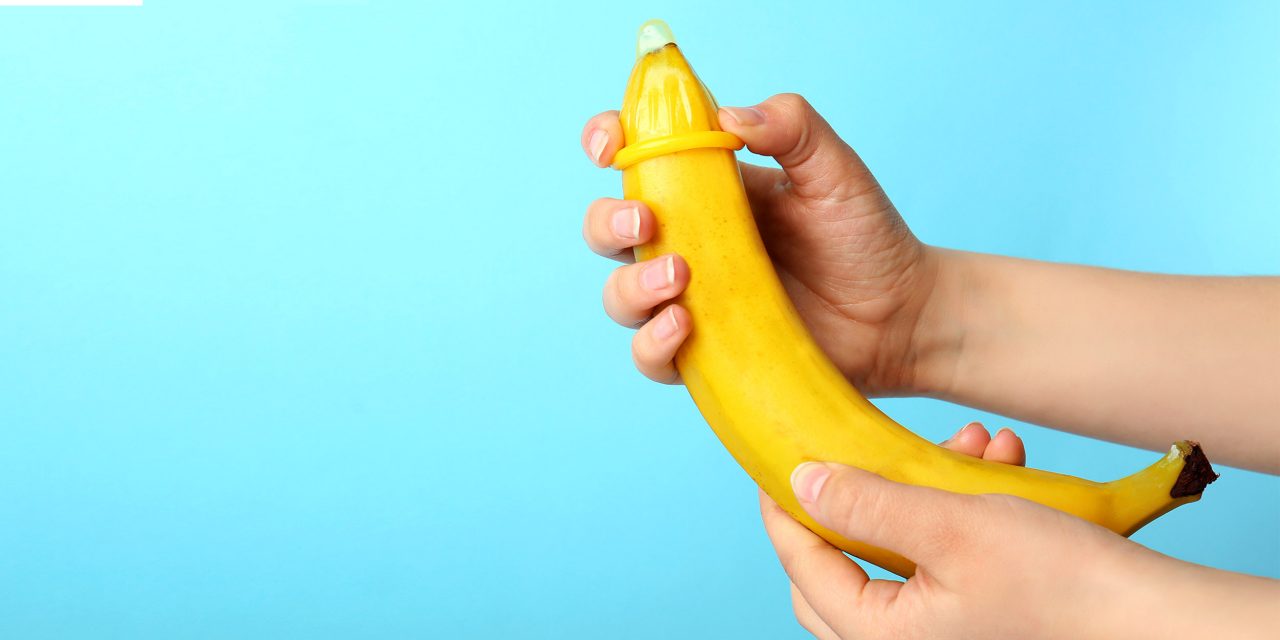
Презерватив вообще надёжное средство контрацепции?
Он очень эффективен, если правильно и регулярно им пользоваться. Неправильное использование этого контрацептива значительно снижает эффективность защиты от беременности — с 98 до 82% How effective are condoms? — и сводит на нет защиту от ИППП.
Тут же всё просто, разве можно использовать его неправильно?
Ещё как. В идеале презерватив нужно правильно подбирать по размеру, надевать перед каждым половым актом, использовать только с подходящими смазками и снимать сразу после эякуляции. Но на практике выходит всё иначе. «Кто-то решает надеть презерватив в середине полового акта, только „в опасные дни“ у партнёрши или не меняет презерватив для второго полового акта», — отмечает уролог Дарья Чернышева.
Многие считают, что главное — не допустить попадания спермы во влагалище непосредственно во время эякуляции. Однако доктор Ванесса Каллинс (Vanessa Cullins) из Американской федерации планирования семьи уточняет Things You Really Need To Know About Condoms , что надевать презерватив нужно до того, как член коснётся вульвы (то есть даже половых губ). По её словам, жидкость выделяется из пениса до и после эякуляции. Эти выделения могут способствовать передаче инфекции и даже привести к беременности.
Вот ещё несколько ошибок, которые мы совершаем чаще всего.
Неправильно подобрали размер
Если презерватив слишком свободно сидит на члене, он может легко сместиться или семенная жидкость может вылиться из него и попасть в половые пути женщины. Чтобы избежать подобного, подберите подходящий вам размер.
Длина презерватива варьируется: вы можете развернуть его настолько, насколько вам нужно. Поэтому длина стандартного презерватива подходит для большинства мужчин. Однако при желании вы можете узнать идеальные для себя параметры. Для этого нужно взять линейку, приложить её к лобку у основания члена и измерить расстояние до кончика головки.
А вот с обхватом пениса всё не так просто. Вот что рекомендует врач:
Можно взять ниточку и с её помощью замерить окружность основания эрегированного полового члена. Потом эту ниточку распрямить и измерить линейкой. Полученная цифра и будет ориентиром в размере презерватива.
Также в подборе правильного размера поможет интернет. Есть множество сайтов (например этот), где можно найти калькулятор размеров и таблицы с параметрами популярных в России презервативов.
Доктор Чернышева отмечает, что примерно для 30% мужчин стандартный размер презервативов — большой. Но это проблема не мужчин, а производителей, которые ориентируются на заоблачные цифры.
Нет ничего стыдного в том, чтобы искать себе подходящий и правильно сидящий презерватив, а не довольствоваться тем, что продают в ближайшем супермаркете. Все мы разные, и это нормально. Только путём поиска можно найти подходящую для себя модель.
Не оставили места в кончике презерватива
Этот резервуар собирает выделившуюся сперму. Если вы не сжимали кончик пальцами при надевании, то не оставили там места и не выпустили воздух. В таком случае семенной жидкости негде собираться — она растечётся по половому члену.
Поздно сняли презерватив
Эрекция у большинства мужчин ослабевает достаточно быстро после семяизвержения. Так что презерватив, который плотно сидел на эрегированном члене, становится слишком свободным — сперма может вытечь в это пространство.
Не прочли инструкцию на упаковке
Да, к презервативам прилагается инструкция, и это важно, ведь модные изделия зелёного цвета со вкусом банана или пятью видами пузырьков могут не предназначаться для предохранения или защиты вообще. И это указано на упаковке. Мелким шрифтом.
Хорошо. Как тогда надевать презерватив правильно?
1. Узнайте свой размер (акцент стоит сделать на ширину).
2. Прочтите этикетку презерватива перед покупкой. Возможно, он не подходит для предохранения.
3. Не используйте презерватив, если упаковка вскрыта, повреждена или истёк срок годности.
4. Используйте презерватив до любого контакта вашего пениса с чужими гениталиями.
5. Открывайте и доставайте презерватив аккуратно, не сжимая его ногтями.
6. Возьмите презерватив за кончик и сожмите, чтобы оставить место для спермы.
7. Капните внутрь презерватива немного смазки на водной основе, если считаете нужным.
8. Оттяните крайнюю плоть, если она есть.
9. Продолжая придерживать кончик презерватива, раскрутите его на пенисе на нужную вам длину.
10. Прекратите любые движения, если презерватив съехал или порвался. Немедленно удалите его и замените новым.
11. Меняйте презерватив с каждым новым подходом (повторным введением пениса после эякуляции).
12. Меняйте презерватив, если решили заняться другим видом секса (оральным или анальным). Для каждого нового отверстия — новый презерватив.
13. Достаньте пенис как можно быстрее после эякуляции, придерживая презерватив у основания члена, чтобы не разлить сперму.
14. Аккуратно снимите презерватив, всё ещё стараясь не разлить сперму.
Посмотрите это видео. В нём подробно показывают сам процесс и объясняют, как и от чего презерватив защищает.
Всегда ли к презервативу нужна смазка?
Многие презервативы уже имеют смазку снаружи. Но совершенно не лишним будет добавить ещё, в том числе внутрь. Главное — запомнить, что масла и масляные смазки несовместимы с латексными презервативами. Они разрушают латекс. Лучше всего использовать смазки на водной основе.
Что делать, если на латекс аллергия?
По словам Дарьи Чернышевой, около 5–10% людей могут иметь аллергию на латекс, а именно из него сделано большинство презервативов.
Проявления аллергии различны: от покраснения и раздражения до приступов удушья и потери сознания. Если вы заметили дискомфорт, зуд, сыпь, покраснение половых органов (и у партнёрши тоже) во время или сразу после использования латексного презерватива, лучше отказаться от таких презервативов в дальнейшем и перейти на полиуретановые или полиизопреновые.
Американские эксперты советуют Things You Really Need To Know About Condoms при аллергии на латексные мужские презервативы перейти на женские полиуретановые. По их данным, большинство людей с аллергией на латекс переходят на натуральные презервативы, которые сделаны из кишечника животных и хуже других защищают от ВИЧ.
Влияет ли презерватив на эрекцию?
Влияет, но опосредованно, так как иногда снижается чувствительность. Данных о том, что презерватив вызывает эректильную дисфункцию, нет.
Мужчины иногда испытывают так называемые презерватив-ассоциированные проблемы с эрекцией: она снижается или полностью исчезает перед или сразу после надевания презерватива.
Причины до сих пор не выявлены, но, вероятно, дело тут не в презервативах, а в особенностях психологии и физиологии мужчин, которые сталкивались с такими проблемами.
У всех остальных мужчин временно пропасть эрекция от презерватива может, только если неправильно подобран размер: слишком туго, больно, давит, сложно надеть и так далее. Достаточно найти удобный презерватив, чтобы исключить подобные неудобства. Лучше потратить время на это, чем столкнуться с ИППП или нежелательной беременностью.
Читайте также
- 12 горячих секс-поз для пар, которые готовы к экспериментам →
- Всё, что нужно знать о здоровье полового члена и мужской интимной гигиене →
- ИППП: болезни, о которых вы стеснялись спросить →