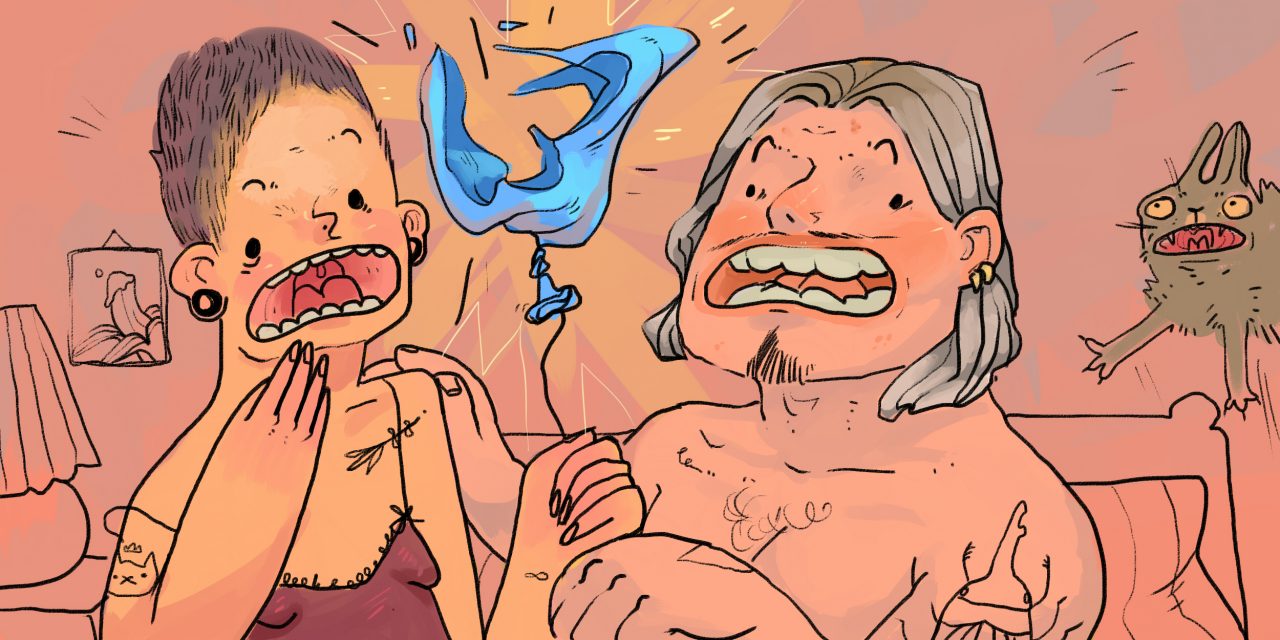
Презервативы, даже самые качественные, иногда рвутся. К этому надо быть готовым.
Первый шаг — немедленно прекратите интимный контакт. Второй — снимите презерватив и оцените обстановку: он порвался до или после того, как произошла эякуляция? В зависимости от результатов действуйте по плану.
Что делать, чтобы предотвратить беременность
Если семяизвержения не произошло, риск беременности минимален. Особенно в том случае, если презерватив имеет спермицидную (подавляющую активность сперматозоидов) смазку. Если же презерватив порвался при или сразу после эякуляции, такая смазка не поможет.
Есть два способа справиться с проблемой.
Сверьтесь с календарём
Календарный метод контрацепции — вариант не самый надёжный, но в некоторых случаях действующий. Он заключается в следующем: надо рассчитать примерную дату овуляции — выхода созревшей яйцеклетки из яичника и не заниматься сексом несколько дней до и после неё, чтобы не позволить сперматозоидам встретиться с яйцеклеткой. Другие дни при календарном методе считаются «безопасными».
Если инцидент с порвавшимся презервативом случился в «безопасный» период, с вероятностью более 75% Rhythm method for natural family planning беременность не наступит.
Чтобы дополнительно снизить риски, девушка может:
- Сбегать в ванную и, сидя на унитазе, постараться вытолкнуть сперму из влагалища напряжением вагинальных мышц.
- Ополоснуть половые органы тёплой водой. Это поможет смыть сперму с половых губ и наружной части влагалища и не даст семенной жидкости проникнуть глубже. А вот спринцевание не только бесполезно, но даже вредно What Should I Do If the Condom Broke? , так как струёй воды вы рискуете протолкнуть эякулят к матке.
Учтите: календарный метод подходит только тем парам, которые прямо сейчас не уверены, что готовы к зачатию, но в целом не против завести детей. Если это не о вас и беременность категорически не входит в ваши планы, используйте второй метод.
Воспользуйтесь экстренной контрацепцией
Идеальный вариант What Should I Do If the Condom Broke? — в первые же сутки после инцидента попасть на приём к гинекологу. Врач выяснит, какой метод экстренной контрацепции — гормональный или негормональный — лучше подходит в вашем случае. И либо установит внутриматочную спираль (это не даст оплодотворённой яйцеклетке закрепиться в матке), либо даст рецепт на таблетку с высокой дозой гормонов (она заблокирует оплодотворение). Это наиболее безопасный метод, поскольку квалифицированный врач при назначении учтёт особенности вашего здоровья.
Если возможности попасть к гинекологу нет, придётся действовать самостоятельно. Надо идти в аптеку и купить таблетки для экстренной контрацепции. Самые популярные — на основе левоноргестрела. Как правило, они продаются попарно и принимаются по следующей схеме: первая таблетка — не позже 72 часов после «аварии» (чем раньше, тем выше эффективность), вторая — через 12 часов после первой.
Такие препараты достаточно серьёзно бьют по здоровью, поэтому крайне не рекомендуется пользоваться ими чаще, чем один раз в течение месячного цикла, и без рекомендаций гинеколога.
И учтите: ни таблетки, ни спираль не предотвращают венерические заболевания.
Что делать, чтобы снизить риск подцепить ВИЧ и другие ИППП
Если вы с партнёром давно знакомы и уверены друг в друге (что подтверждено медицинской справкой, хотя бы о прохождении ежегодного профосмотра у гинеколога или уролога), можете переходить к следующему пункту. Если нет, действуйте так.
1. Идите в туалет и помочитесь
Помочившись сразу после секса, вы снизите Is Peeing After Sex Really Necessary? And 9 Other FAQs риск возникновения инфекций мочевыводящих путей.
2. Смойте эякулят с наружных половых органов
Делайте это тёплой водой и максимально аккуратно, чтобы не повредить кожу: инфекция может попасть в образовавшиеся ранки. По той же причине не пользуйтесь жёстким мылом или другими агрессивными дезинфицирующими средствами: они могут истончить слизистую оболочку влагалища или мочеиспускательного канала и в итоге повысить, а не снизить риск заражения.
Не делайте спринцевание! Особенно с дезинфицирующими веществами.
Поток воды может What Should I Do If the Condom Broke? спровоцировать раздражение кожи и повысит риск инфицирования.
3. Как можно быстрее обратитесь к венерологу
Оптимально сделать это в первые 24 часа после контакта. Особенно в том случае, если беспокоитесь, что у партнёра может быть ВИЧ. Врач расспросит вас об обстоятельствах, отправит на экспресс‑тест Инфекции, передаваемые половым путём (ИППП) на ВИЧ (часто он комбинируется с тестом на сифилис). По результатам, возможно, пропишет антиретровирусную терапию — препараты, которые надо будет принимать один или два раза в день как минимум четыре недели.
Чем раньше вы начнёте лечение, тем лучше.
Что касается других инфекций, передающихся половым путём, то распознать их можно не сразу. Для получения достоверных результатов рекомендуют What Should I Do If the Condom Broke? сдавать анализы не ранее, чем через 14 дней после инцидента с порвавшимся презервативом. Более точно вас сориентирует врач.
Что делать, чтобы презерватив больше не рвался
1. Обращайте внимание на размер
Если презерватив слишком маленький, он легко порвётся. Если слишком большой — может соскользнуть, что тоже опасно.
2. Следите за сроком годности
Старайтесь не использовать презервативы с истекшим сроком годности или те, что хранились в ненадлежащих условиях, при перепадах температур — например, в кошельке или бардачке автомобиля.
3. Не надевайте два презерватива одновременно
Некоторые думают, что такой фокус может снизить чувствительность пениса и продлить половой акт. Другие надевают сразу два презерватива в надежде на удвоенную защиту. Правда заключается в том, что из‑за трения между кондомами они легко рвутся. Причём сразу оба.
4. Не используйте смазку на масляной основе
Например вазелин. Такие химические вещества истончают латексный материал презерватива. Если чувствуете необходимость в дополнительной смазке, выбирайте средства на водной или силиконовой основе.