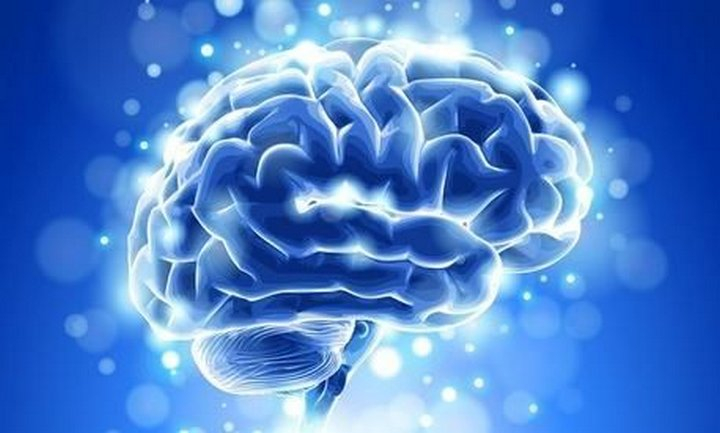
Как сигналы от гениталий доходят до мозга
В половых органах расположено огромное количество нервных окончаний, поэтому гениталии так чувствительны. Во время стимуляции гениталий расположенные в них нервы отправляют сигналы в спинной мозг, откуда они попадают в головной мозг.
Вот нервы, которые передают информацию от гениталий к мозгу:
- подвздошно-паховый нерв передаёт информацию от больших половых губ у женщин, мошонки и корня полового члена у мужчин;
- тазовые внутренностные нервы передают импульсы от влагалища и шейки матки у женщин и от прямой кишки у обоих полов;
- срамной нерв отвечает за передачу информации от клитора у женщин и от мошонки и пениса у мужчин.
В зависимости от задействованных нервов оргазм может восприниматься по-разному. Так, например, у женщин клиторальный оргазм отличается от вагинального, а у мужчин оргазм от стимуляции пениса будет отличаться от оргазма с дополнительной стимуляцией простаты.
Не стесняйтесь пробовать секс-игрушки и новые техники: стимуляция разных участков гениталий поможет получить новые яркие ощущения.
Итак, через нервы в гениталиях раздражение доходит до спинного мозга, а затем отправляется в головной.
Как мозг реагирует на сексуальную стимуляцию
В мозге есть центры удовольствия, которые позволяют нам понять, что происходит нечто приятное, и заставляют делать это снова и снова.
Доктор Барри Комисарак (Barry R. Komisaruk) из Ратгерского университета провёл исследование женского оргазма. Испытуемые мастурбировали в МРТ-аппарате, а учёные следили за активностью мозга в момент оргазма. В результате исследователи выяснили, какие центры удовольствия активируются во время кульминации.
Сначала активность наблюдается:
- в генитальной сенсорной области коры мозга, которая принимает импульсы от гениталий;
- таламусе, отвечающем за перераспределение информации от органов чувств;
- мозжечке, контролирующем функции мышц;
- гипоталамусе — части лимбической системы, связанной с эмоциями и производством гормонов.
Ближе к началу оргазма и во время него активируются:
- лобные доли мозга, отвечающие за принятие решений;
- энториальная кора, участвующая в пространственной ориентации и формировании памяти;
- передняя поясная кора, ответственная за эмоции и мотивацию;
- островок головного мозга, участвующий в восприятии и анализе информации, полученной от других органов;
- участки лимбической системы — миндалины и гиппокамп.
Чуть позже во время оргазма достигает пика активация:
- в гипоталамусе;
- прилежащем ядре, контролирующем дофаминовый ответ;
- хвостатом ядре — части полосатого тела мозга, где сосредоточено большое количество дофамина.
Также в это время повышается количество окситоцина, который увеличивает чувство доверия, и вазопрессина, который ответственен за возникновение чувства привязанности.
Из-за выброса гормонов после секса возрастает чувство привязанности и нежности к партнёру.
Как видно на видео ниже, во время оргазма активен почти весь мозг. Чем выше количество кислорода в крови в определённой области мозга, тем более светлым цветом она отмечена. Во время оргазма практически весь мозг подсвечивается жёлтым и оранжевым, а это значит, что активны практически все его области.
Однако в некоторых областях мозга активность всё же снижается. Это боковая орбитофронтальная кора, ответственная за контроль над поведением.
Оргазм и отсутствие контроля
Команда исследователей из Гронингенского университета в Нидерландах во главе с Джаннико Джорджиадисом (Janniko Georgiadis) провела несколько исследований мозговой активности мужчин и женщин во время сексуальной стимуляции.
Исследователи обнаружили, что между активностью мозга мужчин и женщин во время секcа практически нет разницы. У обоих полов во время оргазма отключалась область мозга, расположенная напротив левого глаза: боковая орбитофронтальная кора, ответственная за контроль над поведением.
Джаннико Джорджиадис предполагает, что боковая орбитофронтальная кора может быть основой контроля над сексуальным поведением. Возможно, только ослабив контроль, можно достичь оргазма.
Деактивация боковой орбитофронтальной коры происходит только во время оргазма. Пока не найдена ни одна другая деятельность, вызывающая подобный эффект.
Вероятно, именно жёсткий контроль над сексуальным поведением мешает некоторым людям получить оргазм.
Также на пике сексуального наслаждения происходит деактивация миндалин и энторинальной коры, которые связаны с бдительностью и страхом. Такое же подавление активности миндалин наблюдается у людей под действием кокаина. Учёные объясняют это эйфорическим состоянием, которое возникает и во время оргазма.
Однако не у всех получается достичь пика наслаждения. И причина опять же кроется в мозге.
Возможные причины аноргазмии
Проблемы с достижением оргазма могут быть вызваны недостаточным количеством дофамина или его рецепторов.
Сексуальная дисфункция наблюдается у 30–50% людей, принимающих селективные ингибиторы обратного захвата серотонина (СИОЗС): циталопрам, сертралин, пароксетин, флуоксетин — группу антидепрессантов третьего поколения. Эти лекарства могут снизить производство дофамина, нейротрансмиттера, который обеспечивает приятные чувства и регулирует схему вознаграждения — поддерживает желание человека снова совершить действие, приносящее удовольствие.
Нельзя сказать, что оргазм напрямую зависит от дофамина, поскольку после отмены СИОЗС, когда уровень дофамина приходит в норму, у части пациентов сексуальная дисфункция сохраняется ещё продолжительное время. Однако дофамин определённо играет большую роль в достижении оргазма. Чтобы увеличить свои шансы на сексуальную кульминацию, нужно позаботиться о достаточном уровне этого гормона. Вот что вы можете для этого сделать:
- Высыпаться. Качественный сон не влияет на уровень дофамина, однако он способствует увеличению количества дофаминовых рецепторов.
- Есть продукты, богатые тирозином. Из аминокислоты тирозина синтезируется аминокислота L-диоксифенилаланин, или ДОФА, а она является предшественником дофамина. Много тирозина содержится в мясе кролика и индейки, фасоли, чечевице, арахисе и кунжуте, молочных продуктах (сыре и твороге), семечках подсолнечника и тыквы.
- Следить за весом. У людей с избыточной массой тела наблюдаются нарушения в синтезе дофамина в полосатом теле мозгаDo Dopaminergic Impairments Underlie Physical Inactivity in People with Obesity?.