
«Женщина спросила у мудреца: почему мужчина, имеющий много женщин, — хороший мужчина, а женщина, имеющая много мужчин, — плохая? Мудрец ответил: потому что ключ, умеющий открывать все замки, — это хороший ключ, а замок, который можно открыть любым ключом, — плохой замок».
Примерно так относятся к сексу у нас в стране: мужчина своим ключом откроет женщину, и если в ней уже был другой ключ, мужчина обязательно это поймёт, потому что из неё не вытекут ошмётки замка с кровью.
Девственную плеву при этом многие видят реальным барьером на пути пениса в вагину. Барьером, который надо обязательно прорвать при первом сексе.
Логично, что передающаяся из поколения в поколение информация о разрывах, крови, боли и ужасах во время первого секса значительно усложняет этот самый секс.
1. Уже в 1927 году мечтали о безболезненной дефлорации
Страх перед дефлорацией заботит россиян давно, если ещё в 1927 году писали в прессе, как хорошо было бы рассекать девственную плеву хирургическим путём, чтобы избежать боли, как делают наши подруги из Европы.
Женщины европейских стран, для того, чтобы избавить себя от возможного уродства и избежать боли и страданий в столь значительный момент жизни, производят до брака рассечение девственной плевы при помощи небольшой операции, сделанной врачом. Для нашей страны это дело будущего. Но я думаю, что современная новая женщина не отстанет от европейской женщины в этом отношении: не мало уже изжила она диких обычаев и предрассудков в области половой жизни. Взятое от врача свидетельство о производстве этой операции всегда устранит могущий произойти конфликт.
«Женский журнал», доктор Н. Микулина-Иванова, 1927 год.
Так что «надо рвать» и «плева — показатель невинности» — это очень старые и живучие мифы. Их легко разрушить. Главное — запомнить, что девственная плева, или гимен, так не работает.
Подробно разберёмся, что это такое и зачем нужно.
2. Гимен нужен для защиты влагалища (но это не точно)
В вопросе предназначения гимена учёные Questioning girlfriend’s virginity. не до конца определились The purpose of the hymen. . Одни считают, что это одно из рудиментарных образований типа копчика, нужное когда-то в Каменном веке, потребность в котором отпала со временем.
Другие утверждают, что он нужен для защиты влагалища от микробов. Детский организм гораздо менее приспособлен к прелестям окружающей среды, и гимен здесь выступает природным барьером. Но с возрастом организм крепнет, во влагалище формируется микрофлора, которая уже умеет защищаться, и нужды в такого рода охране больше нет.
Кроме того, гимен растягивается по миллиметру каждый год с тех пор, как мы начинаем ходить, сидеть на унитазе и изучать своё тело. Доктор Линдси Доу шутливо отмечает: «Это не значит, что к 50 годам у нас будет 50 миллиметровая дыра, просто ещё одно подтверждение эластичности гимена».
3. Гимен — это арка, а не забор
Девственная плева и правда может быть полностью закрытой, но это редкое исключение, которое требует медицинского вмешательства. Отверстие в гимене нужно для менструаций и вагинальных белей.
Американские блогеры классно описали ожидания и реальность, касающиеся девственной плевы: «Люди представляют гимен как бумажный баннер на спортивных играх, который закрывает женскую вагину и разрывается, когда она занимается сексом в первый раз. На самом деле это тонкая эластичная плёнка вокруг влагалища. Так что это не барьер, а скорее арка из воздушных шаров». Которые лопнут при неаккуратном сексе.
4. Можно заниматься сексом, не повреждая гимен
Если вы относитесь к большинству женщин с не полностью закрытым влагалищем, тогда, вероятнее всего, в девственной плеве у вас как минимум одно отверстие, но может быть и два, и три, и больше. Да, ещё гимена может не быть совсем или он может присутствовать только в виде небольшой арки в форме полумесяца сверху или снизу входа во влагалище.
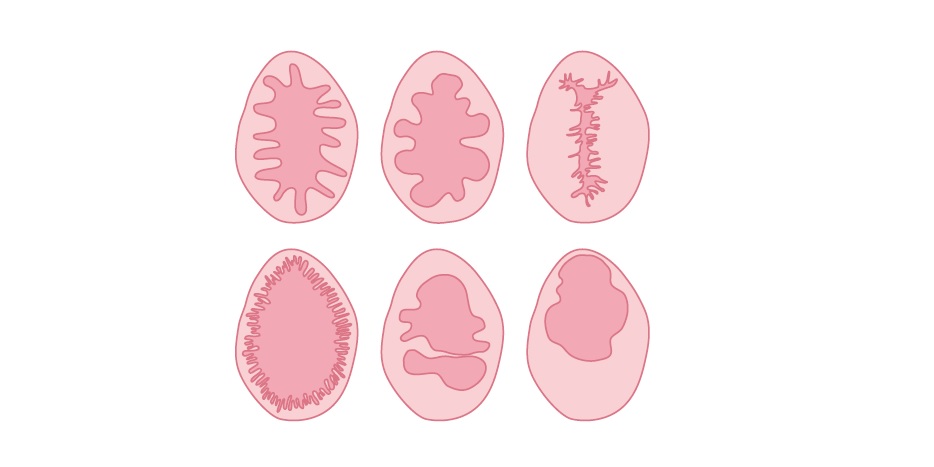
Эти отверстия и эластичность гимена позволяют молодым девушкам пользоваться тампонами, мастурбировать и даже заниматься сексом (с проникновением пениса), не повреждая плеву.
В 2004 году было опубликовано исследование Differences in Hymenal Morphology Between Adolescent Girls With and Without a History of Consensual Sexual Intercourse. , которое показало: 52% сексуально активных женщин имеют неповреждённую девственную плеву. Но её можно повредить, садясь на шпагат, сидя на унитазе или в повседневной жизни — совершенно случайно.
5. Кровь после секса — это не положительный признак
Во многих культурах красная простыня после первого секса — доказательство невинности невесты, и от наличия крови зависит жизнь этих девушек. Да, следы крови после первого проникающего секса могут быть, даже не только после первого, но одно дело — следы крови, а другое — такое кровотечение, чтобы заляпать простыню.
Кровь после секса вообще может быть не связана с девственной плевой, и её точно не нужно ждать и считать нормальной реакцией.
Например, исследование Genital injuries in prepubertal girls from inline skating accidents. 2002 года сообщало о двух девочках с сильными травмами половых органов и кровотечениями из влагалища (катались на роликах). Авторы обнаружили, что «ни у одной из девочек не было каких-либо значительных повреждений девственной плевы».
Вообще, врачи советуют сходить на осмотр, если после секса идёт кровь. Можно не проверяться, если у вас только закончились месячные или вы недавно сдавали мазок Папаниколау, и анализ был чист.
6. Девственная плева не исчезает после первого секса
Стереотип о «потере» невинности навязывает девушкам чувство стыда и ощущение неполноценности, ведь партнёр после секса будто нечто приобрёл, «взял», тогда как она потеряла то, что уже никогда не восстановить.
Девушка ничего не «теряет» после первого проникновения. Гимен никуда не денется, он просто растянется. Напоминаем, он вокруг влагалища, а не поперёк.
Тем не менее сейчас очень популярна операция по восстановлению девственной плевы — гименопластика. Это вредная и небезопасная косметическая процедура, делается под анестезией. Бывает двух видов: кратковременная и долгосрочная.
Для первой — части девственной плевы сшиваются между собой, когда результат нужен на 7–10 дней. Во втором случае материалом для воссоздания гимена являются участки стенок влагалища. Операция не одобрена Американским конгрессом акушеров и гинекологов.
7. Девственная плева может восстановиться
И речь не только о молодых девушках или частичном восстановлении. Есть исследование 2004 года, опубликованное в архивах Pediatric Adolescent Medicine, которое показало, что, «несмотря на окончательные доказательства сексуального контакта (беременность), только у 2 из 36 подростков были генитальные изменения».
Существующие исследования девственной плевы у девочек и женщин крутятся вокруг травм и изнасилований, поэтому о её поведении в «нормальной» ситуации известно мало, но мы знаем, что даже после травматичного разрыва плева умеет лечиться.
Исследование 2007 года у девочек с повреждённой плевой показало, что травмы от разрыва «быстро заживали и часто оставляли мало следов или вообще не свидетельствовали о предыдущих травмах».
Что делать, если первый секс пугает
Во-первых, не стоит ждать боли и крови — их быть не должно. Возможен дискомфорт, так как гимен всё-таки слизистая ткань с нервными окончаниями. Очень эластичная слизистая ткань.
Во-вторых, совершенно не обязательно вашим первым разом должно стать именно проникновение пениса в вагину. Подготовиться к проникающему сексу можно и самой, постепенно изучая своё тело.
Доктор Линдси Доу советует аккуратно выяснить, к какому виду относится ваш гимен, используя пальцы (чистыми руками). Затем осторожно (со смазкой, если не хватает своей) пальцем (можно мизинцем) водить вдоль стенки влагалища (не вверх/вниз), постепенно растягивая гимен.
Процесс можно сделать веселее, если подключить к нему партнёра. Если вам достаточно комфортно и спокойно рядом с ним, чтобы попросить об очень аккуратной пенетрации, то и само проникновение должно пройти безболезненно и приятно.
Возможно, вашему партнёру пригодится ещё один лайфхак — ввести два пальца во влагалище во время оргазма. Во время него организм вырабатывает столько анестетика, что даже роды прошли бы безболезненно.