Что такое пирсинг члена
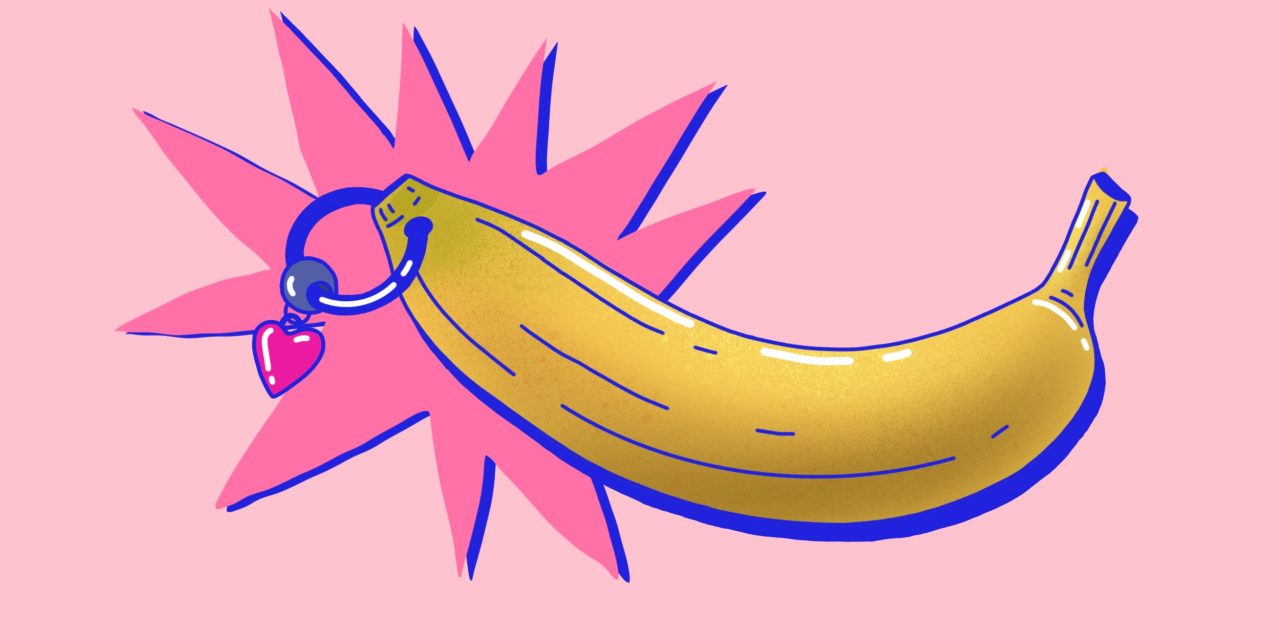
Пирсинг члена — это процедура, во время которой делается прокол в той или иной области мужского полового органа. А затем в прокол вставляется ювелирное украшение. Как серёжка в ухо.
Пирсинг может затрагивать одну из следующих областей Penis Piercing: Sexual Benefits :
- головку пениса;
- крайнюю плоть (если она не обрезана);
- ствол пениса (его основную часть);
- мошонку (мешочек с яичками).
Зачем вообще делают пирсинг члена
Некоторые считают, что если оснастить член дополнительными «шипами»‑украшениями, секс для обоих партнёров станет куда более запоминающимся. В хорошем, естественно, смысле: больше стимуляции — ярче оргазмы. При этом активнее стимулируется как пенис — за счёт того, что пирса (серьга для пирсинга) при трении двигается внутри него, — так и половые органы партнёрши.
Правда, наука версию улучшенных оргазмов не разделяет. Точнее, ощущения у партнёрши действительно могут стать круче. А вот научных доказательств того, что пирсинг улучшает чувствительность собственно члена, на сегодня нет.
Каким бывает пирсинг члена
В зависимости от того, какую область затрагивает прокол и по какой траектории проходит, выделяют полтора десятка видов What are some common types of genital piercings in men пирсинга. Вот самые популярные из них.
- «Принц Альберт». Самый распространённый вид генитального пирсинга. Кольцо‑пирсу вводят в мочеиспускательный канал, а затем оно выходит в нижней части головки пениса. После заживания это кольцо увеличивает чувствительность головки. Иногда украшение выводят не через нижнюю часть пениса, а через верхнюю. Такой пирсинг называется «обратный принц Альберт».
- Лобковый прокол. Он же — «рог носорога». Один из наиболее безобидных видов. Украшение вставляют в кожу над основанием полового члена, и оно выполняет скорее декоративную функцию.
- Ампалланг. Горизонтальный прокол, при котором пирса проходит сквозь головку члена — чуть выше уретры или через неё.
- Ападравиа. Вертикальный аналог ампалланга.
- Глубокий ампалланг или ападравия. То же самое, только пирсу ставят не в головку, а в ствол пениса.
- Дидо. Он же — «корона короля». Это пирсинг, расположенный в так называемой венечной борозде — крае открытой головки пениса. Дидо может быть как одиночным, так и состоящим из нескольких украшений, расположенных рядом друг с другом.
- Френум. Так называется прокол через уздечку с нижней стороны члена.
Также существуют пирсинг хафада (прокол делается в коже мошонки в любой её части) и крайней плоти: с помощью кольца её смыкают так, чтобы затруднить обнажение головки.
Как проходит процедура пирсинга члена
Всё начинается с осмотра у мастера, который будет выполнять пирсинг. Сами понимаете: в ваших же интересах, чтобы этот человек имел медицинское образование и опыт работы.
Мастер расскажет, позволит ли ваша анатомия тот вариант пирсинга, который вам понравился. Также посоветует наиболее щадящий вид прокола, подскажет, какие украшения стоит выбрать, и отправит домой — хорошенько подумать и принять окончательное решение.
В тот день, когда вы снова явитесь в кабинет, вам тщательно побреют и продезинфицируют интимную зону. Мастер нанесёт на пенис или области вокруг него отметки, указывающие расположение будущего украшения. Если вас всё устраивает, то предложат сделать глубокий вдох, а на выдохе (короткий щелчок!) прокол будет выполнен. Далее мастер вставит пирсу в виде кольца, подковы или прямой штанги и проведёт перевязку.
Насколько больно делать пирсинг члена
Цена за потенциальные яркие оргазмы достаточно высока. Какой бы вариант пирсинга вы ни выбрали, это будет больно. Насколько именно — зависит от вашего индивидуального болевого порога и чувствительности.
Как долго заживает пенис после процедуры
В среднем рассчитывайте на 4–6 недель. Но иногда на восстановление может понадобиться срок до 3–6 месяцев.
Какие последствия могут быть у пирсинга члена
Американское издание Men’s Health перечислило Prince Albert Penis Piercing ряд побочных эффектов и противопоказаний, с которыми придётся мириться в этот период.
1. Возможно, вам придётся носить перевязку или даже подгузники несколько дней
После пирсинга бывают кровотечения. Иногда достаточно сильные. Мастер расскажет вам, как ухаживать за интимной зоной в этот период, и порекомендует специальные прокладки или подгузники, чтобы не запачкать кровью бельё.
2. На время придётся забыть о сексе или мастурбации
Трение может замедлить заживление прокола и вызвать новые кровотечения. Поэтому с интимной жизнью в её классическом понимании придётся завязать недели на 3–4.
3. Эрекция может стать болезненной
Это касается в том числе и утренней спонтанной эрекции или ночных оргазмов. Пока рана не заживёт, попытки пениса подняться могут доставлять дискомфорт.
4. Некоторые виды пирсинга могут привести к эректильной дисфункции
Популярные «принц Альберт», «рог носорога», «корона короля» или проколы уздечки в этом плане, как правило, безопасны. А вот если вы решились на ападравию, которая проходит через головку полового члена, выбирайте мастера особенно тщательно. Неудачный прокол может лишить вас эрекции. Причём навсегда.
5. У вас может случиться аллергия на пирсинг
Не на сам прокол, конечно, а на украшения. Особенно осторожно стоит относиться к пирсам на основе никеля и других металлов. Чтобы снизить риски, выбирайте изделия из хирургического титана, биосовместимых полимеров, ниобия, золота или платины.
6. В будущем возможны сложности с использованием презервативов
Случайно зацепившись за пирсу, они могут просто порваться в самый неподходящий момент. Безопасный секс станет проблематичным.
7. Вы можете получить инфекцию
Признаки того, что ранка инфицирована, включают в себя:
- покраснение;
- припухлость и отёк;
- неприятный запах;
- зуд и сыпь;
- повышение температуры тела.
Если после пирсинга у вас появился хотя бы один из этих симптомов, немедленно обратитесь к урологу.
8. Вы можете заразиться смертельно опасными заболеваниями
Речь о ВИЧ и гепатите С, которые могут передаваться при использовании плохо простерилизованных игл для проколов. Поэтому тщательно выбирайте мастера, следите за стерильностью во время процедуры и требуйте, чтобы она проводилась одноразовыми инструментами.
Можно ли избавиться от пирсинга члена
Теоретически — да. Если вынуть украшение, прокол потихоньку начнёт затягиваться. У некоторых людей этот процесс идёт быстро, и через несколько лет от пирсинга не остаётся и следа. Но так бывает не у всех. Возможно, вам придётся смириться с тем, что отметины от прокола останутся с вами на всю жизнь.
Стоит ли красота и возможные «более яркие» оргазмы риска всех вышеперечисленных неприятностей, решать только вам. Подумайте как следует.