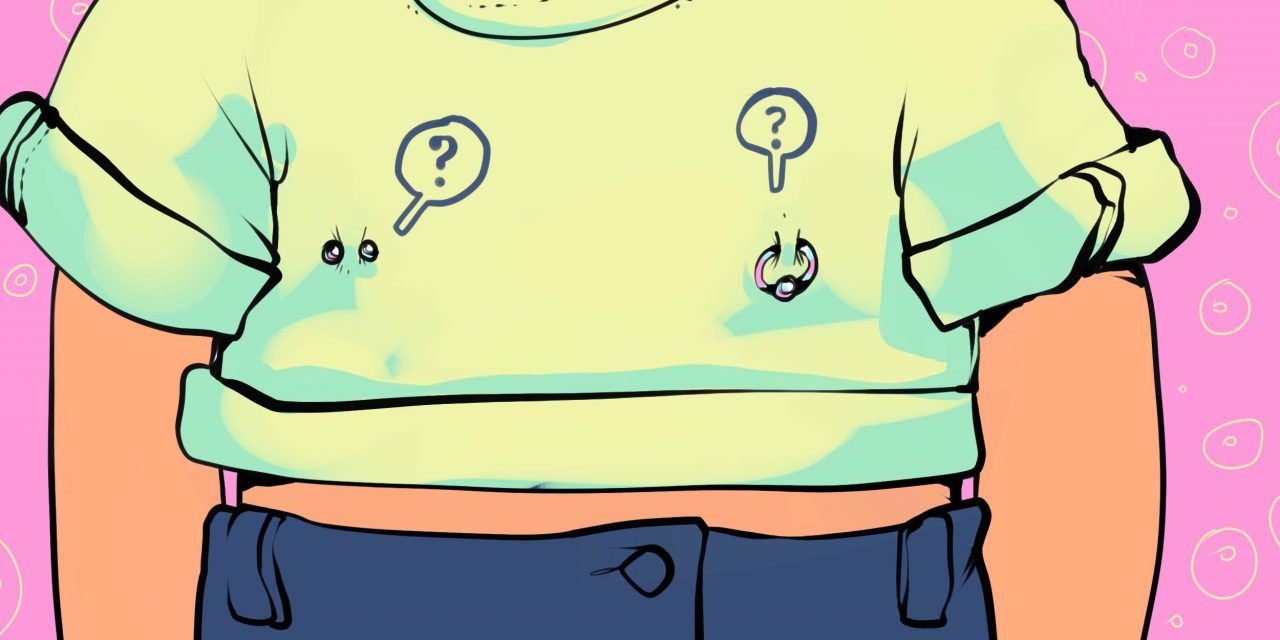
Пирсинг сосков вряд ли добавит новые радости в привычную сексуальную игру. Скорее напротив. Те, кто решился на эту процедуру, предупреждают 9 Things People With Nipple Piercings Understand : вам придётся проинструктировать партнёра, как можно и нельзя прикасаться к украшению на груди, чтобы не причинить боль. Это сделает секс менее расслабленным, ведь вы оба будете вынуждены контролировать движения.
По сути, единственные значимые поводы Nipple Piercing: Is It Safe, and Does It Hurt? We Asked Experts for the Facts пробить соски — самовыражение и повышение самооценки. Если эти вещи для вас не пустой звук, решайтесь. Только учтите важные нюансы.
Что нужно знать, прежде чем делать пирсинг сосков
Вот несколько моментов, с которыми нужно определиться до процедуры.
1. Оцените, хватит ли у вас терпения
Кожа служит барьером, защищающим организм от проникновения патогенных бактерий. Пирсинг сосков в буквальном смысле пробивает Nipple Piercing: Is It Safe, and Does It Hurt? We Asked Experts for the Facts этот барьер.
В теории то же делают и другие виды пирсинга. Однако околососковые ткани устроены таким образом, что прокол в этой области будет заживать гораздо дольше, чем, например, в мочке уха.
Заживление пирсинга сосков занимает около 6 месяцев. В некоторых случаях — до года Nipple Piercing: Is It Safe, and Does It Hurt? We Asked Experts for the Facts .
Всё это время вам придётся тщательно следить за раной, чтобы вовремя отреагировать на открывшееся кровотечение или воспаление. Сдёрнуть футболку одним движением, выспаться на животе, да просто почесать грудь — все эти привычные действия как минимум в первые недели станут почти невозможными. Готовы ли вы так ограничивать себя?
2. Учтите эстетическую сторону
Пробитые соски выглядят необычно, стильно и брутально. Но визуальный ряд может быть подпорчен маленькой неприятностью — образовавшимся на месте прокола выпуклым рубцом.
Точно предсказать, случится ли это с вами, невозможно. Но если у вас уже есть келоиды (выпуклые шрамы) от прыщей, порезов или других ран, риски возрастают. Решите, готовы ли вы к этому.
3. Подумайте о кормлении грудью (если вы женщина)
Чаще всего пирсинг не мешает Breastfeeding and pierced nipples грудному вскармливанию — достаточно лишь снять украшения.
Но в некоторых случаях образовавшиеся рубцы могут заблокировать молочные протоки. В результате ребёнок будет недополучать грудное молоко. Выработка молока может снизиться настолько, что вы вовсе потеряете возможность кормить грудью.
4. Выясните, доступен ли вам подходящий салон
Пирсинг сосков не прокол уха: выполнить эту процедуру так, чтобы она не причинила лишней боли и не привела к осложнениям, может далеко не каждый мастер. Поэтому уделите особое внимание поиску подходящего салона.
В идеале это кабинет, где занимаются исключительно пирсингом. Но могут подойти и профессиональные тату‑салоны. Обязательно почитайте отзывы об этом месте в соцсетях и на форумах. Попросите портфолио мастера, который будет проводить процедуру, и убедитесь, что он имеет сертификаты о профессиональном обучении.
Если там, где вы живёте, подходящих салонов и пирсеров не нашлось, есть всего два варианта: или искать мастера в другом населённом пункте, или отказаться от идеи вовсе. Ведь некачественно сделанный пирсинг сосков чреват серьёзными осложнениями.
5. Определитесь с материалом, из которого будет сделано украшение
Лучше всего это решать вместе с мастером. Он подскажет, какие варианты подойдут именно вам.
Так, никель однозначно брать не стоит: он может привести к возникновению контактного дерматита. Грамотным выбором, с точки зрения профессиональных пирсеров, будут JEWELRY FOR INITIAL PIERCINGS прочная и гипоаллергенная хирургическая сталь, титан или, например, биосовместимые полимеры.
6. Решите, как будет выглядеть украшение
Тут тоже стоит посоветоваться с мастером. Самые популярные и простые варианты для пирсинга сосков — это колечко, подкова или аксессуар в виде штанги: металлический стержень с шариками на концах.
Как делают пирсинг сосков
Пирсинг сосков делают только Nipple Piercing стерильными одноразовыми иглами, запечатанными в пакет (его откроют перед вами). Прокалывающие пистолеты не используются — их невозможно тщательно продезинфицировать.
Как правило, вся процедура занимает не более 15–20 минут.
Мастер тщательно вымоет руки, наденет одноразовые латексные перчатки. Очистит и подготовит вашу кожу. С помощью стерильной одноразовой ручки наметит место пирсинга. Затем предложит вам расслабиться и глубоко вдохнуть.
Непосредственно прокол кожи выполняется на вдохе и занимает доли секунды.
Больно ли делать пирсинг сосков
Да. Хотя многое зависит от вашей индивидуальной чувствительности.
Болевые ощущения снижаются за счёт того, что процедуру делают очень быстро. Те, кто прошёл пирсинг сосков, уверяют 9 Things People With Nipple Piercings Understand , что это похоже на сильный щипок — не более.
Что делать после пирсинга сосков
Мастер выдаст вам подробную инструкцию, как ухаживать за сосками и украшением. Скорее всего, в ней будут такие рекомендации.
- Приготовьтесь к тому, что сосок может побаливать в течение недели после процедуры. Это нормально.
- Обязательно мойте руки тёплой водой с антибактериальным мылом, прежде чем прикасаться к украшению или соску.
- Дважды в день промывайте рану стерильным физиологическим раствором. Это будет продолжаться до полного заживления — примерно полгода.
- Не используйте для обработки раны перекись водорода или антибактериальные мази. Такие средства замедляют заживление.
- Если вы заметили корочку вокруг соска, аккуратно пропитайте её тёплой водой и смойте.
- После того, как вы вымыли сосок, осторожно промокните его чистым бумажным полотенцем.
- Носите одежду исключительно из мягких гладких тканей, чтобы украшению не за что было зацепиться.
- Откажитесь от купания в бассейнах и открытых водоёмах, а также бани, сауны, горячих ванн, пока рана не заживёт полностью.
Когда надо срочно обратиться к врачу
Даже если вы сделали пирсинг у хорошего мастера в стерильных условиях, всё равно остаётся риск бактериальной или вирусной инфекции. Как можно быстрее обратитесь к терапевту или дерматологу, если появились такие симптомы Nipple Piercing .
- Сосок стал горячим на ощупь, очень чувствительным, отёчным.
- Появились выделения жёлтого, зелёного, коричневого цвета из соска или раны.
- По груди начало распространяться покраснение.
- На фоне проблем с раной температура поднялась выше 38 °C.
- Вы ощущаете сильную слабость и странные боли в теле.
Это могут быть признаки серьёзного воспаления, вплоть до смертельно опасного заражения крови.
Можно ли избавиться от пирсинга сосков
Теоретически — да. Как только вы вынете украшение, прокол потихоньку начнёт затягиваться. У некоторых людей этот процесс идёт быстро, и через несколько лет от пирсинга не остаётся и следа. Но так бывает не у всех. Возможно, вам придётся смириться с тем, что келоидные рубцы или иные отметины от прокола останутся с вами на всю жизнь.
Стоит ли самовыражение и эстетическое удовольствие таких рисков, решать только вам.