
Девушки, сегодня речь пойдёт о лёгком и приятном способе укрепить мышцы тазового дна для профилактики здоровья мочеполовой системы и новых ощущений в постели с любимым.
В 1948 году гинеколог Арнольд Кегель, огорчённый неэффективностью операций для лечения недержания мочи у женщин, впервые в истории современной медицины высказался о важности нехирургического укрепления мышц тазового дна. «Мышцы Кегеля», как их теперь часто называют, поддерживают матку, мочевой пузырь, прямую кишку и тонкий кишечник — мягко говоря, важная часть анатомии.
Тонус мышц тазового дна снижают:
- время (эти мышцы, как любые другие, слабеют с возрастом);
- беременность и роды;
- операции на животе, в том числе кесарево сечение;
- ожирение.
Упражнения Кегеля помогут в следующих случаях:
- недержание мочи при напряжении (например, во время кашля, чихания, бега и подъёма тяжестей);
- неотложное недержание — когда желание опорожнить мочевой пузырь настолько сильное, что вы не успеваете добежать до туалета (не путайте с недержанием из-за переполнения мочевого пузыря, тут упражнения бессильны);
- ослабление мышц тазового дна после родов, что может, помимо симптомов выше, вызвать опущение одного из органов малого таза, например матки.
FAQ
Как почувствовать нужные мышцы?
Попробуйте приостановить струю при мочеиспускании. Если получилось, поздравляю, вы нашли мышцы Кегеля.
А если нет?
Возможно, вы просто слишком хотите в туалет, чтобы так сдерживаться (если нет, это довольно тревожный знак, бегом к гинекологу). В качестве альтернативного способа попробуйте ввести чистый палец во влагалище и сжать его. Если всё в порядке, вы почувствуете поднятие тазового дна.
И всё?
Ну хорошо, если так вам неинтересно, проведите тест-драйв с любимым: во время секса попробуйте сжать его член внутри себя и спросите, чувствует ли он, что вы обхватываете его плотнее.
Нужно ли делать упражнения именно при мочеиспускании?
Нет. Наоборот, это противопоказано, может усугубить симптомы или даже вызвать боль.
Как готовиться к упражнениям?
Опорожните мочевой пузырь, и можно приступать.
Есть ли другие нюансы?
Знаете, как при сгибании указательного пальца, остальные тоже слегка сгибаются? Так вот, при Кегель-упражнениях происходит похожая штука: ваши ягодичные мышцы и мышцы живота могут автоматически напрягаться. Постарайтесь контролировать этот момент. Во время напряжения мышц тазового дна остальные в идеале должны быть расслаблены: так вы избежите перенапряжения и спазмов.
Как тренироваться?
Примите удобное положение: сидя, лёжа или стоя (но не во время ходьбы). Напрягите нужные мышцы как можно сильнее на 5 секунд, затем расслабьте. После короткой паузы повторите. Сделайте 10 таких подходов. Не забывайте дышать, иначе вы быстрее устанете и польза от тренировки снизится.
Сколько времени и как часто нужно тренироваться?
Исследования показывают, что первый эффект вы можете ощутить спустя 4–6 недель регулярных тренировок по два и более раз в день.
Вопрос на миллион: мой оргазм станет сильнее?
Вполне возможно. Исследований, подтверждающих это без тени сомнений, увы, нет (с изучением женского оргазма вообще проблема), но многие участницы опросов по эффективности упражнений Кегеля утверждают, что продолжительность и интенсивность их оргазмов возросла. В это легко поверить, ведь тренировка мышц тазового дна ускоряет прилив крови к промежности, в частности во время возбуждения. Вашему оргазму это точно не повредит. К тому же вы порадуете своего мужчину более узким и плотным влагалищем. Win-win, как говорится.
Маленькие помощники
Кроме «аналогового» способа развивать Кегель-мускулы, вы можете включить в тренировку специальные шарики-утяжелители, которые сделают упражнения сложнее и эффективнее. Выбор большой, вот например:
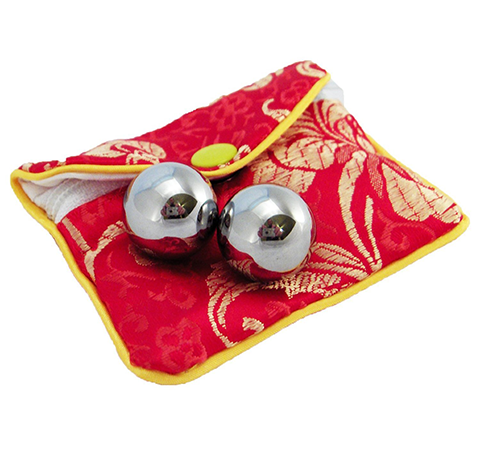

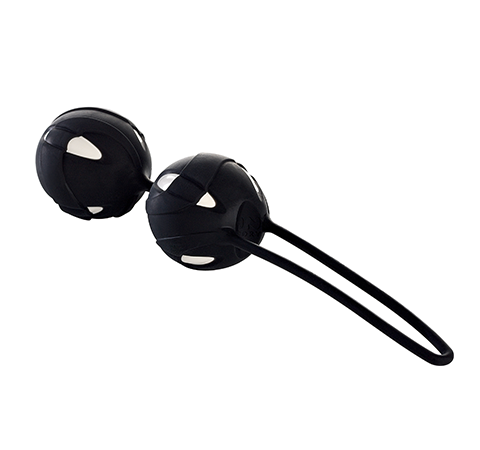
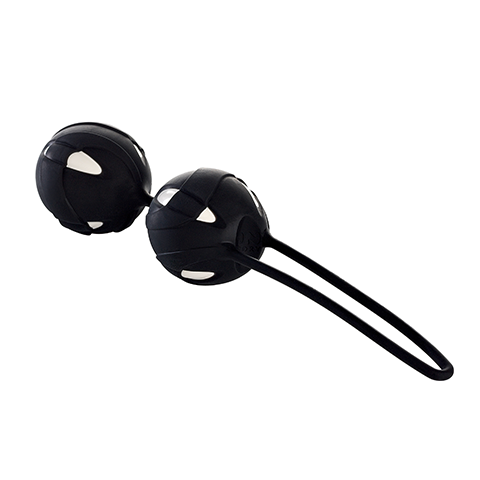
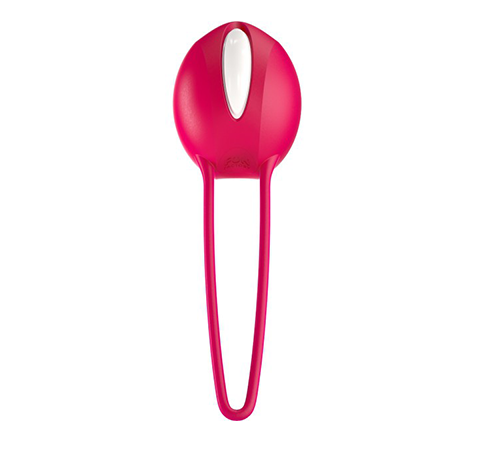
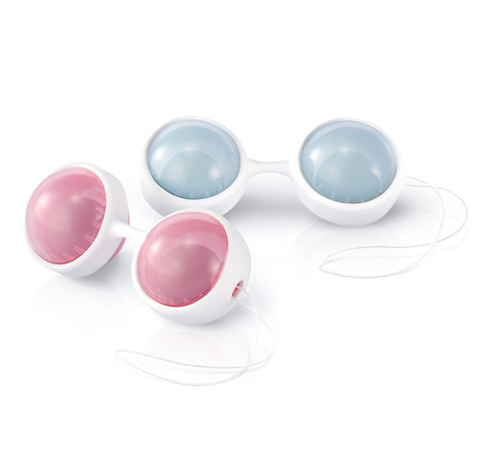

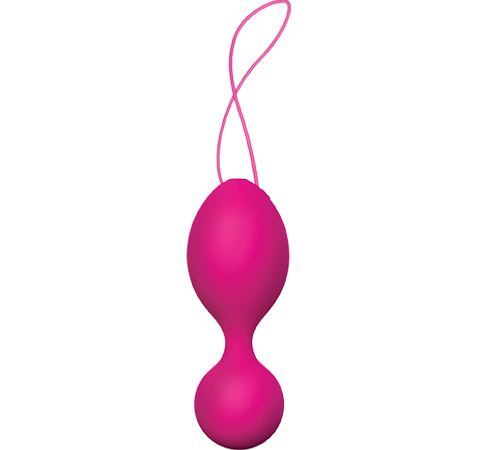
У шариков только одна проблема — отсутствие обратной связи: тяжело поддерживать мотивацию, если нет наглядного результата.
Сам Арнольд Кегель в сороковых годах использовал громоздкое устройство из резинового пузыря и трубок, чтобы замерять силу мышц во время упражнений. Сейчас, когда интерес к теме наконец переживает подъём, появилось несколько современных и весьма симпатичных аналогов.